Cleaning standards for healthcare facilities: what you need to know
Clinics and dental practices sit in an awkward middle: stricter than an office, lighter than a hospital. What that means in practice.
Zones, not rooms
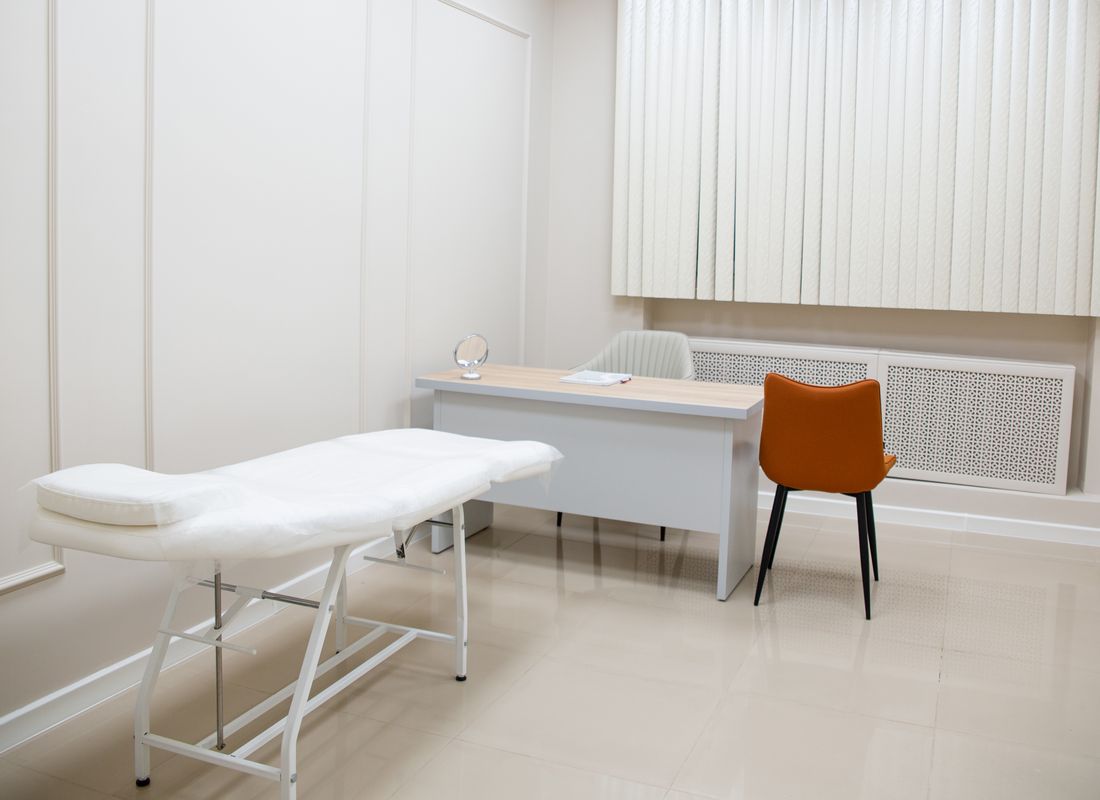
Clinical cleaning is organised by risk zone rather than by room. Waiting areas, consult rooms and treatment areas each get their own products, cloths and order of work.
The practical consequence is colour-coded microfibre and a fixed sequence — clean to dirty, high to low, never back again.
Dwell time is the whole ballgame
Most disinfectants need a surface to stay visibly wet for a stated period. Wiping a surface dry immediately after spraying is, in disinfection terms, doing nothing at all.
Crews working in clinical settings are trained to the dwell time on the label, and it should appear on the checklist alongside the product name.
Documentation is part of the service
For inspection purposes, an undocumented clean did not happen. Sign-off sheets per zone, product lists with dilution rates, and dated logs are the deliverable as much as the clean itself.
Ask any prospective contractor to show you a blank version of their log before you sign. If they do not have one, they are an office cleaner quoting clinical work.
In a clinic, the cloth colour matters as much as the chemical. Cross-contamination is a process failure, not a product one.